head towards the Lion’s Rock in Sigiriya.
Our guide will help you with the climb and take you to the right places where you can discover beautiful paintings and frescoes engraved into the rock.
At the top of the rock are remnants of a Fortress built by King Kashyapa during the 10th century.
Explore these at the summit and enjoy a tremendous view of the cultural triangle of Sri Lanka.
Also classified as a UNESCO World Heritage Site, Lion’s Rock is one of the most popular tour attractions in Sri Lanka.
After this activity, begin a five hour journey to the city of Colombo and check in to the exclusive Shangri La Hotel for the night where you can relax and unwind after a long and tiring day.
On the last day of your Gem Tour Sri Lanka, you could choose to take a Tuk-Tuk City Tour accompanied with a guide to explore the trading hub, popular markets, important temples and some colonial buildings.
Another option is to explore the city on your own and spend your time shopping for souvenirs and so on before it is time for you to head to the airport.
One hour from Colombo is the Bandaranaike International Airport.
This is where your Gem Tour in Sri Lanka comes to an end.
Sincerely hoping that you found this itinerary attractive; we are waiting to hear from you.
Please note that we are very flexible with changes to the itinerary so if you have any special requirements, kindly get in touch with us.
History of Gems in Sri Lanka The history of the gems industry dates back to about 3000 years ago.
According to the great Sri Lankan chronicle Mahavamsa, Ceylon was known as ‘Ratna Deepa’ in Sanskrit, meaning ‘the island of jewels’.
Its soils, rich in minerals, have been yielding an amazingly continuous supply of premium quality precious and semi-precious gem stones.
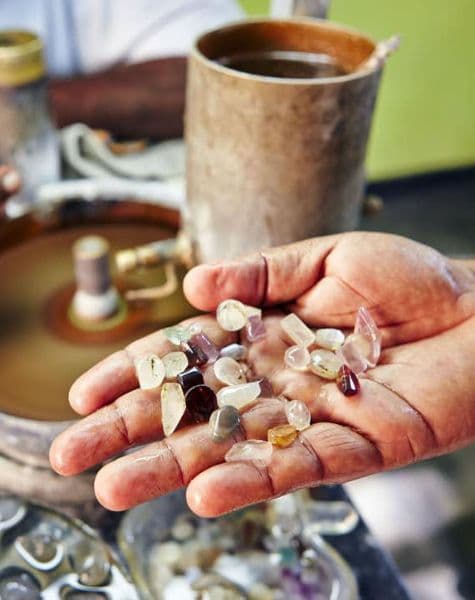
Ratnapura (translating to ‘city of gems’ in Sinhalese) owns a significantly wide range of gemstones, many of which are outstanding in clarity when compared to stones from other areas.Apart from producing these precious gems, the Sri Lankan gem industry has also been specializing in the process of mining, cutting and polishing for many centuries.
Because Sri Lankans have an extensive knowledge on the types of gems and how they should be cut, each stone that is found and prepared for the foreign market is finely cut and polished before exported.
Ceylon Moors, descendants of the Arabians are those who are largely responsible for the gem industry in Sri Lanka.
This is because the Arabs undertook rich trading – the ability to speak a variety of languages and the wealth to travel across the globe in search of commercially valuable items.
After the end of the civil war nearly a decade ago, Sri Lanka has been showing excellent growth in the service, industrial and agricultural sectors.
With regard to the gem industry, regulations pertaining to mining and exports of gems have relaxed, thereby resulting in growth of the industry itself.
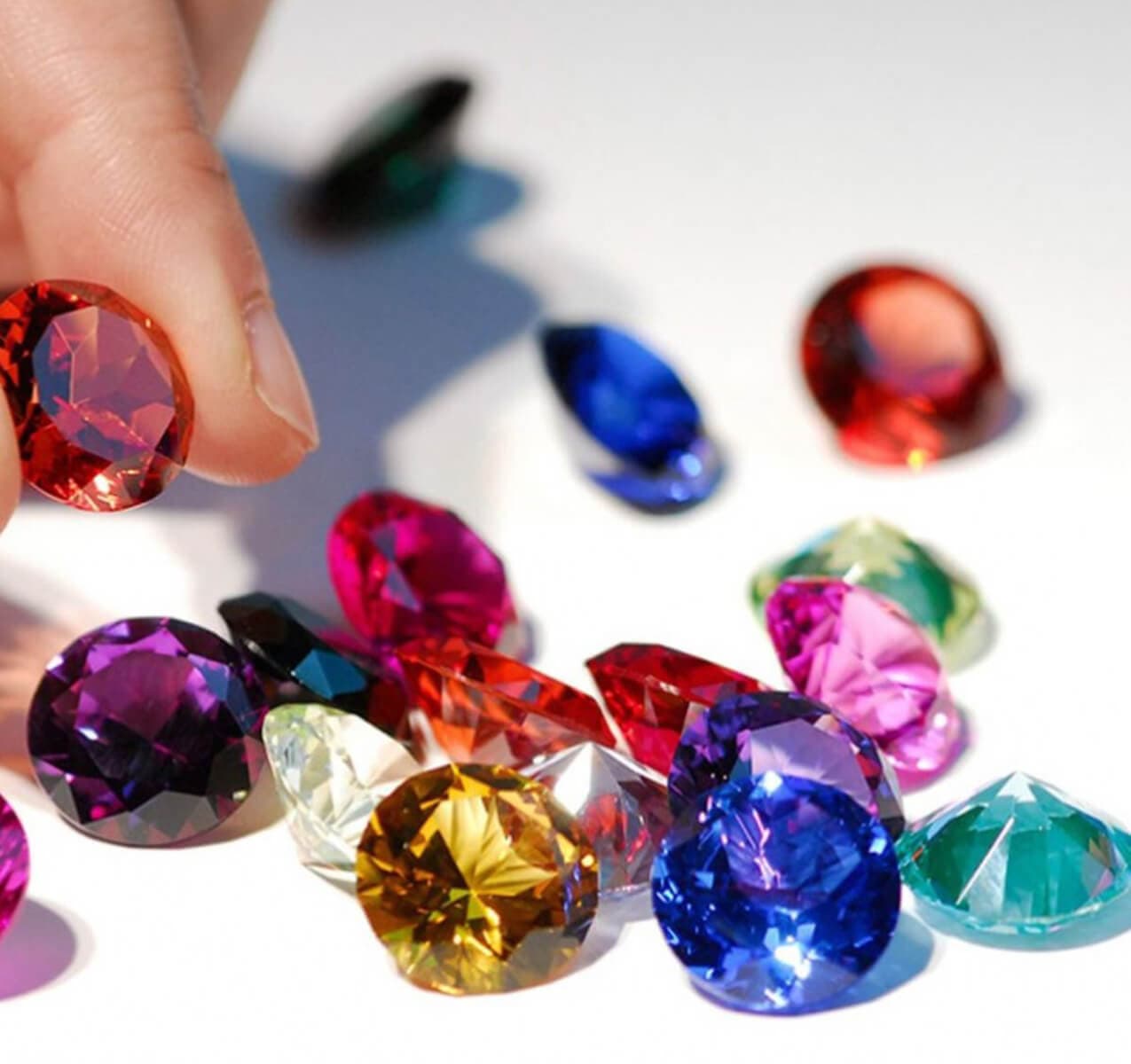
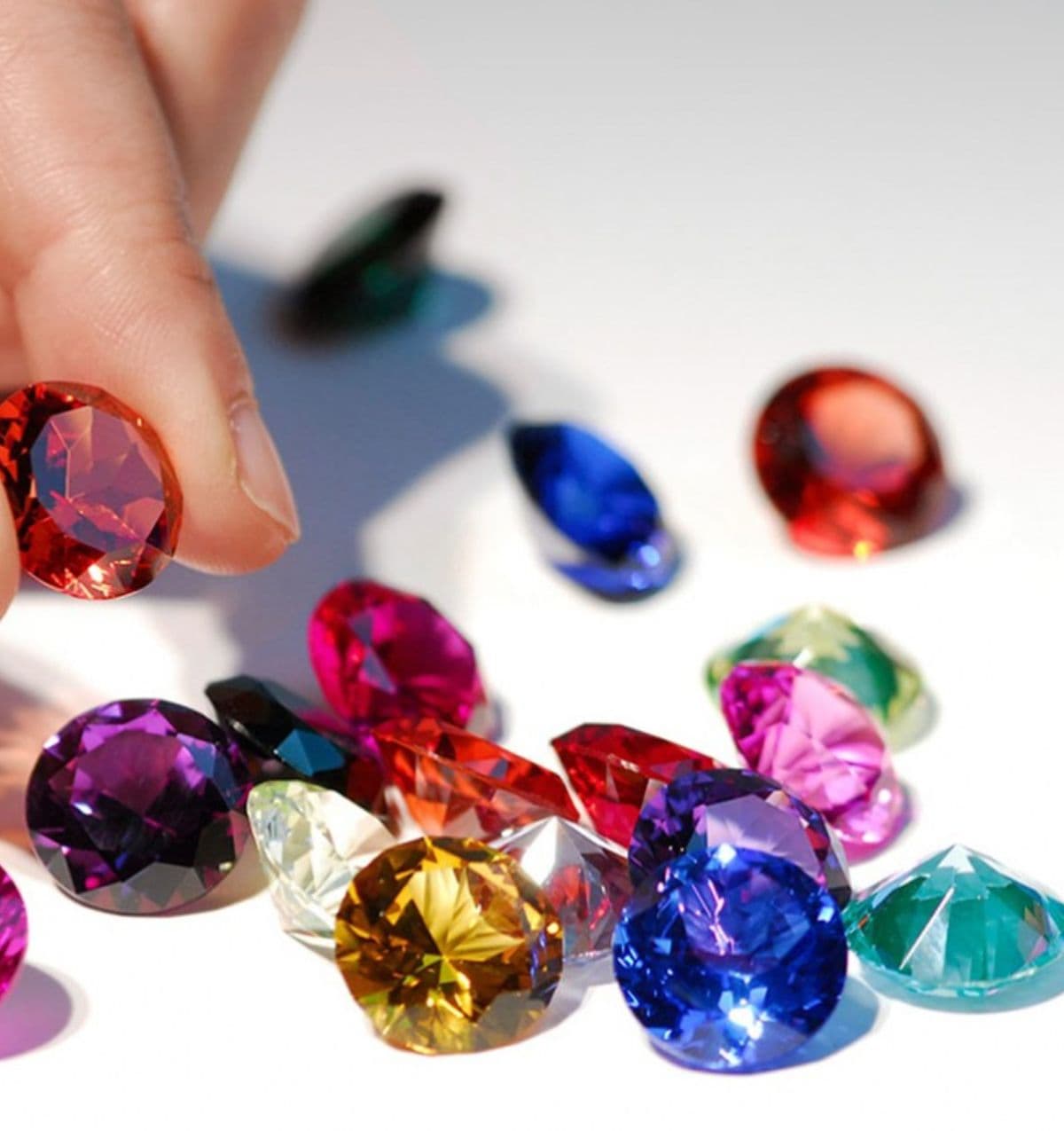
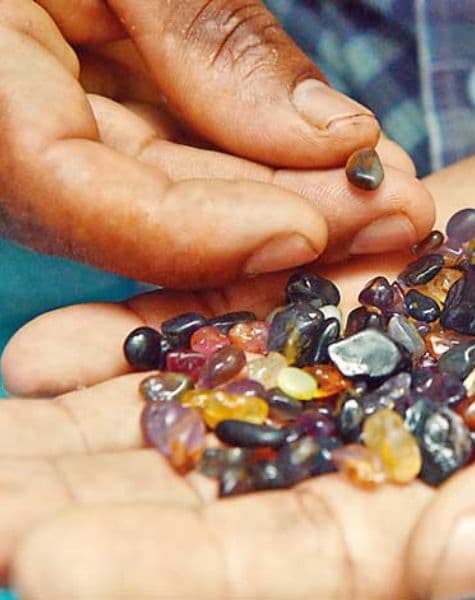
Gem varieties available in Sri Lanka Since the early times of gem production, some off the common gemstones produced in Ceylon are: SapphiresRubyCat’s eyeAlexandriteGarnetStar sapphireZirconTourmalineSpinalTopazBerylQuartzMoonstoneSerendibiteEkaniteThe Blue Sapphire is one of the most supreme gems that Sri Lanka is renowned for.
Some of the finest blue sapphires in the world are found here, one of which was gifted to Princess Diana by Prince Charles!
Being second to diamond in hardness, this premium stone is amongst the highly prized of all gems.
The world’s largest sapphire – weighing 42 pounds, was found in the gravels of Sri Lanka.A British millionaire purchased from Sri Lanka the following:Blue Giant, weighing 500 caratsBlue Belle of Asia, weighing 400 carats